20 Definitive Ways For Picking Floor Installation
Wiki Article
Best Flooring Options For Philadelphia's Climate And Humidity
Philadelphia isn't talked about enough to be a truly challenging place to build flooring. It's a part of the country with real winters dry cool, cold air which contracts wood, and genuinely humid summers that force moisture into every aspect of the. Also, a vast majority of the residential stock is old and without a consistent climate in each room, and you'll be faced with conditions that show the flaws of any flooring product that isn't suitable to the conditions. Whatever works to work in Phoenix or Seattle will not work in Philadelphia. This article explains the ways that each flooring type is actually performed in Philadelphia homes across all four seasons.
1. Solid Hardwood Does Not Require Respect for the Climate
Solid hardwood is not an inexpensive option in Philadelphia. It's an excellent choice if installed correctly, acclimated properly and kept in a house with an air quality that is stable -- ideally between 35 and 55 % all year. If the conditions aren't there and you experience seasonal gaps during winter, and cupping in summer. Older rowhomes without central air or consistent heating distribution are the most risky environments for solid hardwood. This doesn't mean that it's a right choice, but it implies that proper installation as well as ongoing humidity control non-negotiable.
2. Engineered Hardwood was designed specifically for This Climate
The cross-ply layered construction of engineered wood blocks the expanding and contracting that cause solid wood to move in the winter months. It's real wood that is visible- real grain, real quality, and refinishable with respect to how thick the wear layer is -- with significantly better dimensional stability beneath. For Philadelphia properties, especially those in Bucks County and Montgomery County in which older structures encounter unpredictable basement moisture, the engineered hardwood can provide a functional sweet spot that solid wood simply can't match in variable conditions.
3. LVP is the most climate-friendly Option Available
Luxury vinyl plank doesn't soak up humidity, doesn't expand when exposed to dry winter air, or care whether your HVAC is working consistently or not. For Philadelphia homeowners who deal with basements and below-grade spaces or rooms that move dramatically from season to season LVP is the flooring that will just keep working. Installing waterproof flooring has been one of the more requested services among flooring contractors across Delaware County and South Jersey because of the homeowners who have learned this lesson, typically following an incident with moisture caused by distinct product.
4. Laminate is the weakest Connector in the Lineup
Laminate flooring appears similar to LVP on paper, but performs significantly differently in humid environments. It has a wood-fiber core which absorbs water, then expands along the edges, and when the damage begins, it doesn't reverse. If it's a dry, climate-controlled Philadelphia residence, it's able of functioning well for many years. If you have a kitchen with a rowhome layout, basements or any space that suffers from high humidity levels, it can pose a risk. Installation quotes for flooring that are cheap typically involve laminate in spaces where LVP would be the smarter decision to make.
5. Porcelain Tiles Refuse Philadelphia's humidity
From a simple point of view regarding moisture resistance it is the high-end option. It doesn't expand, doesn't change shape, isn't able to absorb water, and it will last longer than any other flooring choice in moist or high-humidity areas. It's cold in winter and difficult on joints, and the grout is required to be maintained. Ceramic tile installation in Philadelphia kitchens and bathrooms remains widely used for good reasons -it's a great instrument for those rooms in this weather.
6. Ceramic Tile Works but Has Porosity Limitations
Ceramic tile is one step lower than porcelain with regard to density and resistance, but still far in front of any wood-based flooring alternative for wet environments. For bathroom tile installations and Kitchen flooring, in Philadelphia homes, it is an excellent option, especially where budget is a factor since ceramic typically costs less than porcelain per square meter. The primary difference is that ceramic shouldn't be utilized in areas with potential exposed to freezing or standing-water outdoor applications are areas where porcelain can clearly win.
7. Wide Plank Hardwood Needs Extra Humidity Management
This is a fact that many homeowners are not aware of until too late. Wider planks of hardwood of five inches and above have a greater tendency to move depending on humidity unlike narrow strip flooring. In the Philadelphia climate, wide plank solid hardwood inside homes that do not have tight humidity controls can form visible gaps in winter, which close and then close again in summer. Flooring contractors who deal with wide plank regularly will have this discussion in the beginning. People who do not will be set for an unpleasant winter on the new flooring.
8. Subfloor Moisture is a Different Problem from Ambient Humidity
Two distinct problems which require different approaches. Ambient household humidity affects how wood flooring expands and contracts according to the seasons. Subfloor moisture -- the vapor release from concrete slabs or floors, moisture flowing through the older subfloors of boards or inadequate ventilation for the crawlspace is a serious danger to adhesive bonds as well as floating floor stability. A thorough evaluation of the subfloor before anyone installs flooring within Philadelphia, Bucks County, or Delaware County homes should include measurements of moisture levels, not just a visual inspection.
9. The Acclimation Time is Not Required in This Region
Hardwood flooring has to adjust to the specific climate and temperature of your home prior installation typically, this takes between 3 and 7 during the time it is in your space. In Philadelphia the tendency to skip or rush this step can mean you end having floors that shift drastically after installation due to the wood isn't adjusted with the real-world conditions of your home. Professionally licensed flooring installers plan the acclimation process into their timetables. Budget contractors who show up and start installing the same day the material arrives are creating a rift that will result in.
10. The Best Climate Option Is Always Site-Specific
It is true that a Montgomery County home with a complete basement, central HVAC and constant year-round humidity control is a completely different environment than the typical Philadelphia rowhome with radiators and no air conditioning as well as a damp cellar below. Flooring that is great within one setting will struggle when it comes to the other. Flooring contractors you should consider hiring in this area don't suggest products from a catalogthey look at the actual environment of your home and match the material with the conditions in which it is expected to be in for the next 20 years. Check out the top rated
hardwood floor resurfacing Philadelphia for website tips including laminate floor contractors Philadelphia, licensed flooring installers Philadelphia, floor installation Delaware County PA, flooring installers Philadelphia, flooring installation Philadelphia, tile flooring contractors Philadelphia PA, engineered hardwood installation Philadelphia, cheap flooring installation Philadelphia, wood floor restoration Philadelphia, LVP floor installation cost Philadelphia and more.
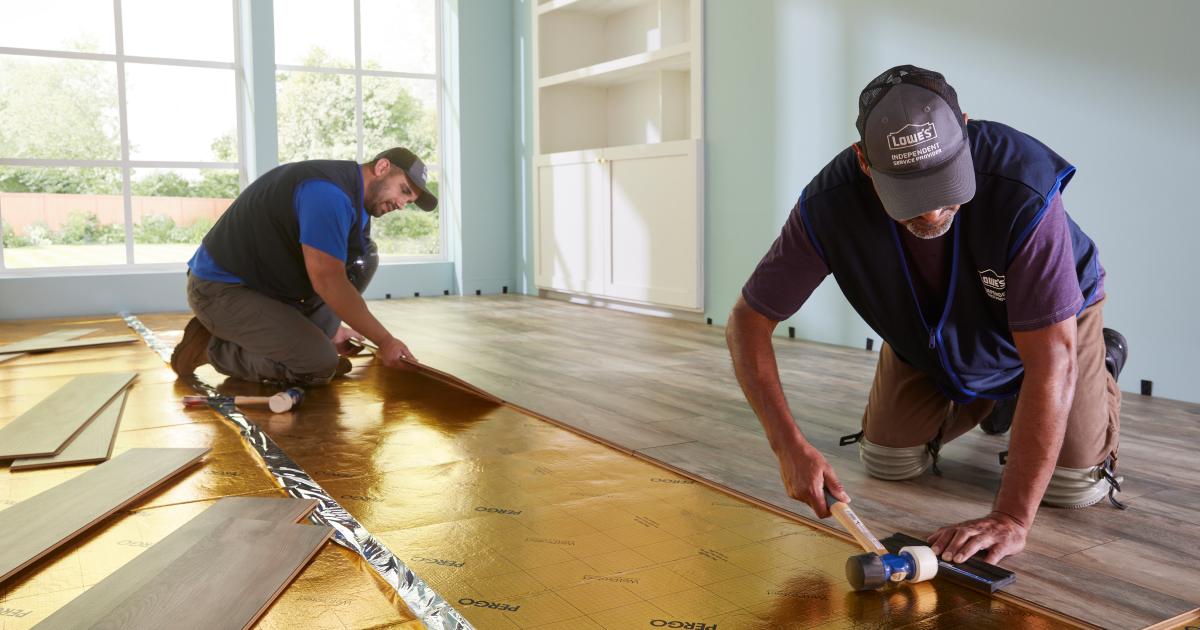
Tile Vs. Laminate: Which Is The Best Option For Philly Kitchens
The flooring choices for the kitchen in the kitchen of a Philadelphia home is more important than other rooms due to the fact that kitchens in this area work hard. Rowhome kitchens, which double as social hubs galley kitchens in older twins that are prone to constant feet, open-plan cooking in newly renovated Delaware County colonials -- they all have the same core challenges: debris, water, grease, and years of usage. Tile and laminate both pop frequently in flooring estimates throughout the Philadelphia metro, and both have arguments in their favor. But they are neither interchangeable. Picking the wrong one for a kitchen area is evident faster than in other rooms of the home. Let's see how the comparison is broken down.
1. Water Resistance Is the First Filter, and Tile Wins It Cleanly
Kitchens get wet. Dishwashers leak, sinks overflow, glasses get knocked over, and mop gets wet longer than is supposed to. Ceramic tile and porcelain are in essence impervious to water at the surface. the possibility of a problem, if it exists is in the grout. The problem is remedied with proper sealing. Laminate has a wood-fiber core which absorbs moisture from the moment it is submerged beneath the surface layer, and in the kitchen, this happens in the end. Once laminate swells at the edges or seams, the damage is irreparable and the floor needs replacing. Waterproof flooring installation in a Philadelphia kitchen is a reasonable but the laminate flooring doesn't match the requirement.
2. Laminate has a lower entry Cost, but a shorter Kitchen Lifespan
This is where laminate can make its strongest argument. Installing laminate floors in Philadelphia kitchens consistently comes in less expensive than tile- less material costs, quicker process, no need to use mortar or grout. Homeowners on a tight budget and who require an attractive kitchen floor that looks like it's been in use for a while, laminate may be appealing. A more honest alternative to it is the life span. If tile is installed correctly, an Philadelphia kitchen could last for 20-30 years with no substantial intervention. Laminates installed in the same space, in the moist environment that kitchens create, typically starts showing problems in five to 10 years.
3. Ceramic Outperforms Porcelain in High-Traffic Kitchen Conditions
Different tiles do not work when it comes to kitchens. Porcelain is denser, harder and more porous than ceramic. It is able to handle cast iron pans falling off and chair legs, as well as continual foot traffic much better over the course of. Ceramic tile flooring is a legitimate choice for kitchens especially in lower-traffic kitchens or where budget is a factor in the decision, but the density difference is important in a space that has to endure the same level of abuse as kitchens do. Philadelphia flooring contractors that perform a lot of kitchen tile installation are likely to steer on to porcelain, unless price is the primary concern.
4. Laminate Comfort underfoot is a Real Advantage
This isn't being given enough consideration in the tile against. laminate conversation. Tile is hard and cold -- standing on it for an extended cooking session can be more exhausting than standing on laminate which has some cushioning and is warmer beneath your feet. In a Philadelphia rowhome, where your kitchen flooring is set over a basement that is not insulated, ceramic tile is realy unpleasant if there is no radiant heat beneath. Laminate does not fix every kitchen flooring problem but it can solve this one, and for homeowners who do a lot of standing in their kitchen it's a vital quality of life element.
5. Cleaning Grout Is the Most Honest negative aspect of Tile
Tile has the edge in durability and water resistance, but grout has its own drawbacks. It is a fact that grout that has not been sealed or is aging in kitchens absorbs grease, food stains and also bacteria. Keeping the tiles of your kitchen clean calls for grout sealing at installation and regular resealing throughout the course of the floor. Philadelphia tile flooring contractors who will be upfront about this will do you the favor of. Homeowners who choose tile expecting to have no maintenance will usually be the ones who are left with grey grout lines which were initially white.
6. Large Format Tiles Can Change the Kitchen Feel and the Subfloor requirements.
Large porcelain tiles which are 24x24 or more -- are increasingly popular in Philadelphia kitchen renovations and they are stunning in the right place. It is important to note that large format tiles are more demanding with regard to subfloor flatness as opposed to smaller ones. Any deviation in the subfloor causes lippage edges with slightly different heights -- which is both an aesthetic issue and a trip hazard. Subfloor repair prior the installation of tiles in Philadelphia kitchens is typically required and can result in a cost that does not make an appearance in a estimates based on materials only.
7. Laminate Cannot Be Refinished When It Starts to Wear
Hardwood kitchen flooring which is not as common, but not unheard of can be sanded or refinished when the surface shows wear. Tiles can be replaced individually if they are cracked. tiles replaced. Laminate does not provide a choice. When the wear layer on laminate degrades, which it will faster in a kitchen rather than a bedroom, it is time to replace the floor. In the case of homeowners who want to remain in their Philadelphia house for 15 or more years, laminate's inability to be repaired is a valid price point that the less upfront cost may not always offset.
8. LVP is the third option Both Comparisons Keep Pointing Toward
It's worth noting directly the difference between luxury and regular vinyl planks. It's durable like tile, more warm and more comfortable than laminate, and it is more durable in kitchen conditions than and when it comes to the particular combination of foot traffic and moisture. LVP flooring installed Philadelphia kitchens is growing significantly due to the fact that it eliminates the main tension between the two options many homeowners are comparing. It's not the perfect solution for every kitchen but it's the reason that the tile compares to. laminate debate often ends with a flooring contractor recommending another option.
9. The length of time for installation varies considerably between the Two
Laminate flooring is installed in kitchens swiftly. A small to medium-sized kitchen may be installed in a single day. The installation of tile takes more time: the time to set mortar the grout curing process, the preciseness required to layout and cuts will add up. For Philadelphia homeowners looking to build a quick and efficient kitchen tile offers a significant time-saving advantage. If you're already working on a bigger kitchen remodel with a timeframe already extended, tile's requirements to install can be a less significant factor in the final decision.
10. The Kitchen's Existing Subfloor Should Be the primary factor that determines the final call
More than aesthetics as well as budget and much more than your personal style The condition and the type of subfloor in your specific Philadelphia bathroom should form the key factor in what material you decide to use. A solid flat plywood subfloor can open up a wide range of options including large format tile. An older diagonal board subfloor might require an overlay prior to tile becoming possible, and this adds cost that makes the comparison more difficult. A concrete slab that is below grade alters the conversation on moisture completely. The best flooring contractors in Philadelphia are able to evaluate the subfloor of the kitchen first, and use the results to guide their recommendation rather than leading with what they're currently storing in the warehouse. See the recommended View the top rated flooring installers South Jersey for more recommendations including tile flooring contractors Philadelphia PA, LVP flooring installation Philadelphia, floor sanding and refinishing Philadelphia, hardwood floor installation Philadelphia, tile flooring installation Philadelphia, hardwood floor refinishing cost Philadelphia, ceramic tile flooring Philadelphia, free flooring estimate Philadelphia, hardwood floor resurfacing Philadelphia, flooring contractors Delaware County PA and more.
